

Subtotal:
$28
Spiritual Preparation for the High Holidays: Embracing the New Year with Intention
Aug 11, 2025
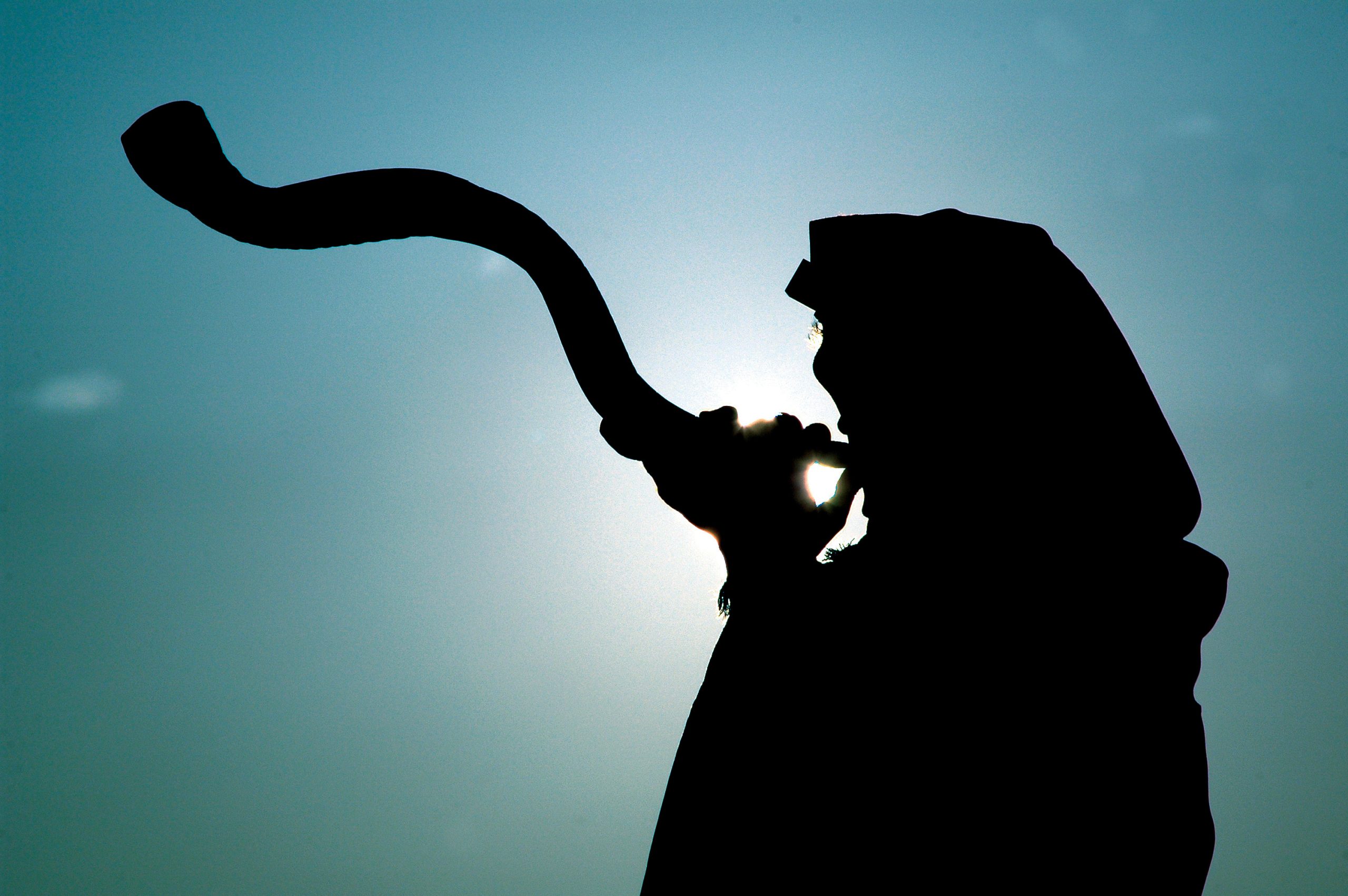
The Hebrew month of Elul, which begins at sundown on Saturday, August 23, this year, has long been known as a time of introspection and spiritual preparation. Gearing up to Rosh Hashanah and the High Holiday season, this month is an opportunity for prayer, reflection, and connection – with our friends and family, the greater Jewish community, and ourselves.
It’s a time to evaluate the past year, seek forgiveness, and set intentions for the year ahead – all so that when we reach Rosh Hashanah (it starts at sundown on Monday, September 22, this year), we’re ready to embrace the holiday fully.
Here are some ideas to get you started this Elul – some deep-rooted in Jewish tradition, and some more contemporary takes:
Reflect on the Past Year
Taking stock of the past year is a key part of getting spiritually ready for the new one. Reflect on what went well and what didn’t, the moments of triumph and those where you disappointed yourself, the ways you grew and the ways you may have stagnated. This is absolutely not about judgment – it’s just about reflecting on what has been so we can stay on track to growing into our best selves.
As you work through this process of self-reflection, you might consider journaling about the past year, and your hopes for the coming one. Our Jewish Joy Journal, the bestselling gratitude and goals journal for Jewish women, is a wonderful tool to get you started doing just that.
Practice Teshuvah and Forgiveness
One of the central themes of the season is teshuvah, or repentance. This isn’t just about making apologies – though that’s certainly a part of it – but about engaging in a sincere process of introspection. Look at areas where you’ve fallen short in your actions or relationships. Reach out to those you’ve wronged and seek forgiveness..The act of asking for forgiveness – and forgiving those who reach out to you – is a step toward healing, growth, and renewal.
Set Meaningful Intentions
Elul is the perfect time to set meaningful goals for the year ahead. Think about areas where you want to grow spiritually, emotionally, or mentally. This could include anything from getting more involved in a Jewish community to developing a daily meditation or prayer practice to strengthening relationships with loved ones.
Connect with Prayer and Reading
Elul isn’t just a time for reflection, but also for prayer – and taking some time to familiarize yourself with the High Holiday liturgy during this period is a wonderful way to make sure you get the most out of your Rosh Hashanah and Yom Kippur.
You could also attend Selichot services, special late-night services taking place in the lead-up to the High Holidays that focus on forgiveness and repentance. In the Ashkenazic tradition, Selichot services usually begin on the Saturday night before Rosh Hashanah (or the Sunday before if Rosh Hashanah falls on a Monday or Tuesday); in the Sephardic tradition, Selichot prayers are recited from the beginning of Elul.
Doing some High Holiday reading is another great way to prepare – the Jewish Book Council put together a High Holidays reading list, featuring everything from fiction to spiritual books and more. Another great rec is This Is Real and You Are Completely Unprepared: The Days of Awe as a Journey of Transformation by Alan Lew.
If there are young children in your life, there are some great Rosh Hashanah-themed picture books you can read to them – PJ Library has some great recs for younger and slightly older kids.
Listen to the Shofar
It’s a long-standing Jewish custom to blow (or listen to) the shofar during the month of Elul. The sound of the shofar serves as a wake-up call to start reflecting on the past year and consider how we wish to approach the coming year with a renewed sense of purpose. The shofar is typically blown each weekday morning in Elul after the conclusion of the morning prayers – or you could always get your own and learn to blow it yourself!
Engage in Acts of Kindness
Acts of kindness are a powerful way to spiritually prepare for the new year. By helping those in need, you invite blessings into your own life. Consider making a charitable donation or volunteering your time, or just being more attentive to people already in your life who could benefit from some extra acts of kindness – either as a short-term thing before Rosh Hashanah, or make it a longer-term commitment throughout the coming year.
Remember Departed Loved Ones
Elul is traditionally a time to focus on our memories of loved ones who have passed. Visiting the graves of departed friends and family during this month is a longstanding Jewish tradition, or if that’s not doable, take some time to reflect on their lives, what they meant to you, and the blessings they brought to your life and the world.
Strengthen Your Connection to Jewish Community
If you’re feeling disconnected from Jewish community, Elul is the perfect time to change that. Though you can certainly observe Rosh Hashanah and Yom Kippur solo, they are traditionally community holidays, when we gather with family and friends and come together to pray as a collective.
If you already have a strong Jewish community, this is a wonderful time to reconnect. If finding in-person community has been a struggle for you – as it is for so many of us, for so many reasons – consider joining Smashing Life, my online community for Zionist Jewish women from all over the world. It’s a place to come together with people who get it, to connect and support one another, and above all to gain the strength to live the Jewish life of your dreams. As we approach the High Holidays, we’re planning our New Year intentions, talking about how we’re feeling as we approach the second anniversary of October 7, and sharing holiday plans – do come join us!
What are you doing to prepare for the High Holidays this year? Let us know in the comments!